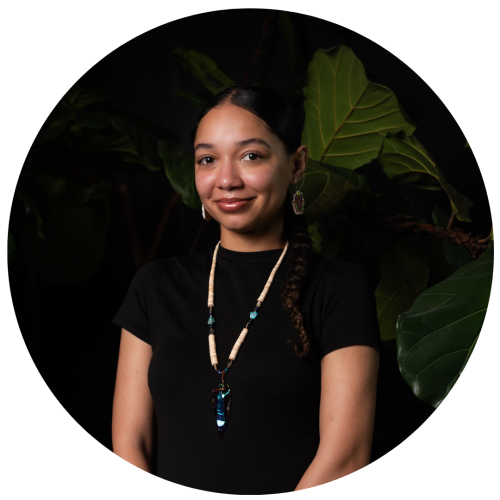
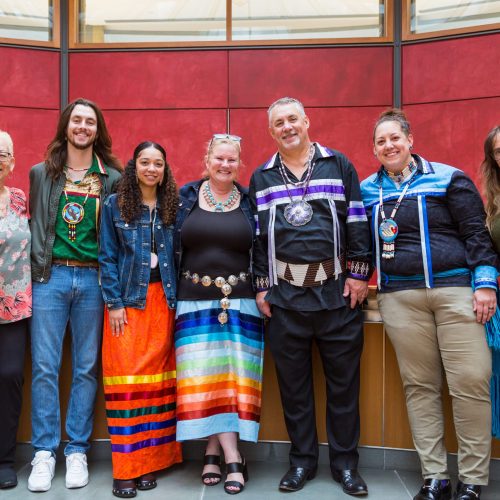
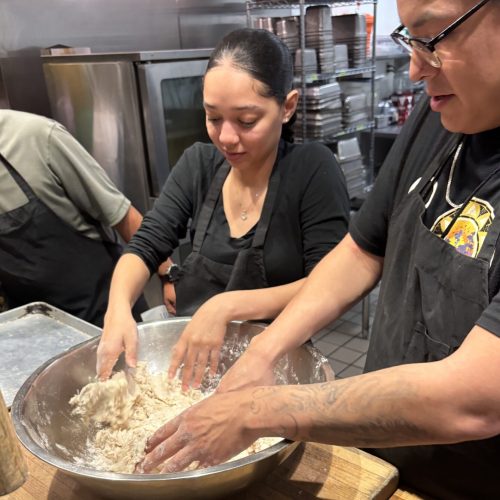
Danaisha Proctor (Piscataway Conoy Tribe), 24, is a youth leader and advocate dedicated to restoring Indigenous food sovereignty and protecting the cultural rights of her community. From the Chesapeake Bay region, where the Piscataway people have long maintained deep relationships with the land and waterways, Danaisha is committed to ensuring future generations can access the traditions that sustained her ancestors. Her work centers on uplifting youth voices, strengthening tribal identity, and reconnecting community members to their cultural and environmental responsibilities.
For generations, the Piscataway Conoy Tribe has faced barriers to practicing traditional hunting, fishing, crabbing, and gathering due to colonization, displacement, and restrictive state regulations. These limitations have disrupted access to culturally meaningful foods, contributed to health disparities, and weakened the transfer of traditional knowledge between elders and youth. Danaisha’s Dreamstarter project, “The Next Seven Generations & Beyond: Restoring & Protecting Tribal Hunting, Fishing, and Gathering Rights,” addresses these challenges by working to restore these fundamental rights and rebuild connections to ancestral food systems.