“In the long term, I hope to see the Osage community reconnected to our ancestral foods, plants, and land through hands-on learning and shared experiences. The Wahzhazhe Tea Garden will grow into more than just a garden — it will become a living classroom and a gathering place for cultural education, healing, and intergenerational connection.”

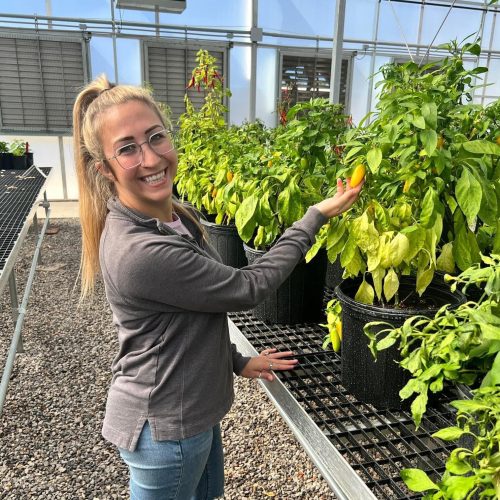
Harleigh Moore-Wilson (Osage Nation), 26, is a researcher and community leader dedicated to restoring traditional Osage foodways and strengthening connections between culture, science, and community health. Based in Pawhuska, Oklahoma, Harleigh is pursuing her Ph.D. in Food Science at Oklahoma State University, where her research focuses on Indigenous bison production from field to harvest. With a background in biosystems engineering and leadership, she combines technical knowledge with cultural teachings to support the health and wellbeing of her community and preserve ancestral practices for future generations.
Within the Osage Nation, access to fresh, healthy, and culturally relevant foods remains a significant challenge. The reservation is considered a food desert, with only a few grocery stores serving the entire community, making nutritious options both limited and expensive. At the same time, knowledge of traditional Osage plants—once used for nourishment, healing, and ceremony—is at risk of being lost. Harleigh’s Dreamstarter project, “Osage Tea Garden,” addresses these challenges by restoring access to traditional plants and revitalizing the cultural knowledge connected to them.
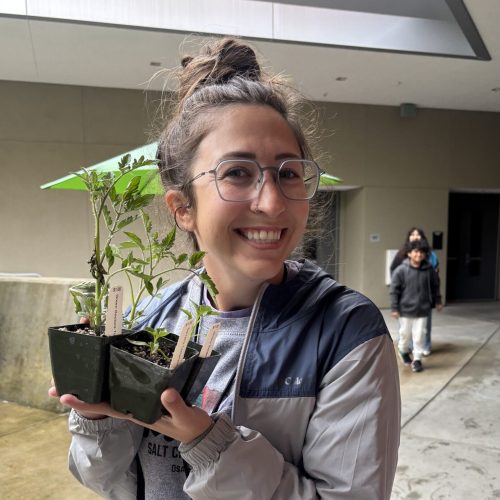
Through the WahZhaZhe Tea Garden Project, Harleigh will establish a greenhouse and raised bed garden to cultivate traditional Osage tea and medicinal plants. In partnership with Osage Nation Harvest Land and the Osage Nation Visitors Center, she will create a living space for education, where youth and community members can learn to grow, harvest, and prepare these plants. The project will also support the distribution of teas and value-added products, increasing access to culturally meaningful foods while promoting economic sustainability. By creating a space for intergenerational learning and cultural exchange, Harleigh envisions a future where Osage people are more connected to their land, traditions, and food systems—strengthening community health, identity, and self-determination.