Dreamstarter Shane Funmaker

“ Food Sovereignty means having the power to feed our people in ways that are culturally appropriate, sustainable, and rooted in respect for the land. To me, it is about responsibility as much as access—knowing where food comes from, how it is harvested, and our obligations to future generations. Food Sovereignty restores balance between people, land, and community.                     

Shane

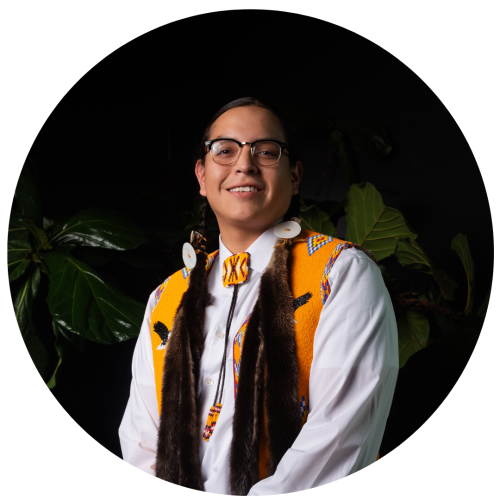
Shane Funmaker (Ho-Chunk Nation), 28, is a community educator dedicated to revitalizing Indigenous foodways and strengthening cultural knowledge within his community. Raised in Ho-Chunk cultural spaces shaped by ceremony, pow-wows, and traditional teachings, Shane credits these experiences with grounding his identity, values, and sense of responsibility. Witnessing both the strength of his community and the challenges it faces—including the lasting impacts of alcohol-related harm—has inspired him to create spaces where people can reconnect with culture, land, and one another. He believes deeply in the power of education to create pathways for healing, leadership, and long-term change.

Today, many Indigenous communities face a growing disconnect from traditional ecological knowledge, food systems, and land-based practices, alongside an overreliance on external systems for food and resources. These vulnerabilities have been highlighted during times of crisis, such as disruptions to federal support, which directly impact food access. Shane’s Dreamstarter project, “Roots of Responsibility: A Traditional Ecological Knowledge Culture Camp,” addresses these challenges by restoring knowledge systems that promote self-sufficiency, cultural continuity, and community resilience.

Through a three-day culture camp and mobile workshop curriculum, Shane will create hands-on learning experiences grounded in Traditional Ecological Knowledge (TEK) and sustainability. Developed in collaboration with knowledge holders and informed by Indigenous research and curriculum practices, this adaptable framework will equip participants with the tools to apply, share, and teach traditional foodways in their own communities. By strengthening intergenerational knowledge transfer and fostering leadership, Shane’s project aims to build a more resilient future—one where communities can nourish themselves through culturally grounded, sustainable practices while advancing food sovereignty across Indian Country.

“One of the greatest successes I have witnessed is the impact of higher education on Native students and families. When community members are able to access education, it creates pathways for healing, leadership, and long-term change. I have seen education empower individuals to return home with tools to serve, strengthen, and uplift our people while remaining rooted in who they are.”   

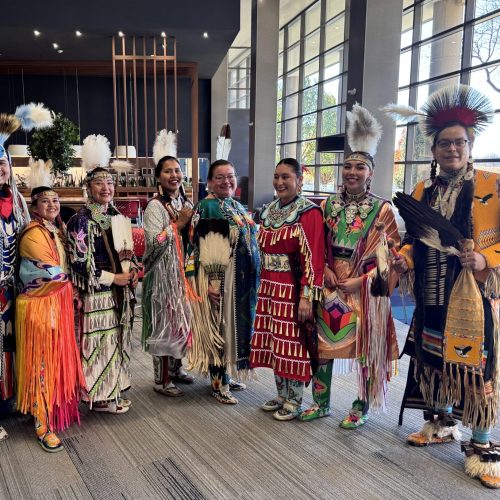
Shane Funmaker photo 2 regalia
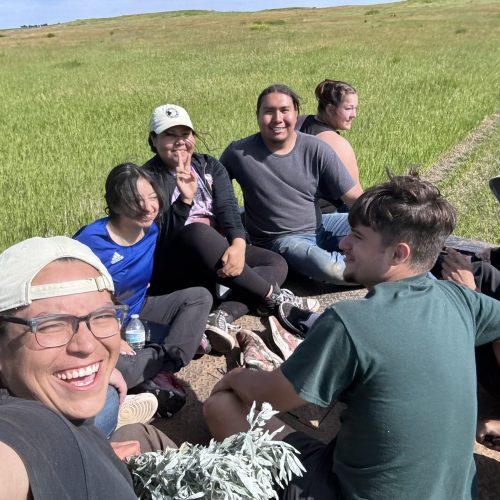
Shane Funmaker photo 1 in action