Dreamstarter Mackenzie Roberts

“ A Muscogee Nation-wide effort, to defend our food sovereignty, to remind our council we are stewards before businessmen, and to remind our people of how much power they truly have.                     

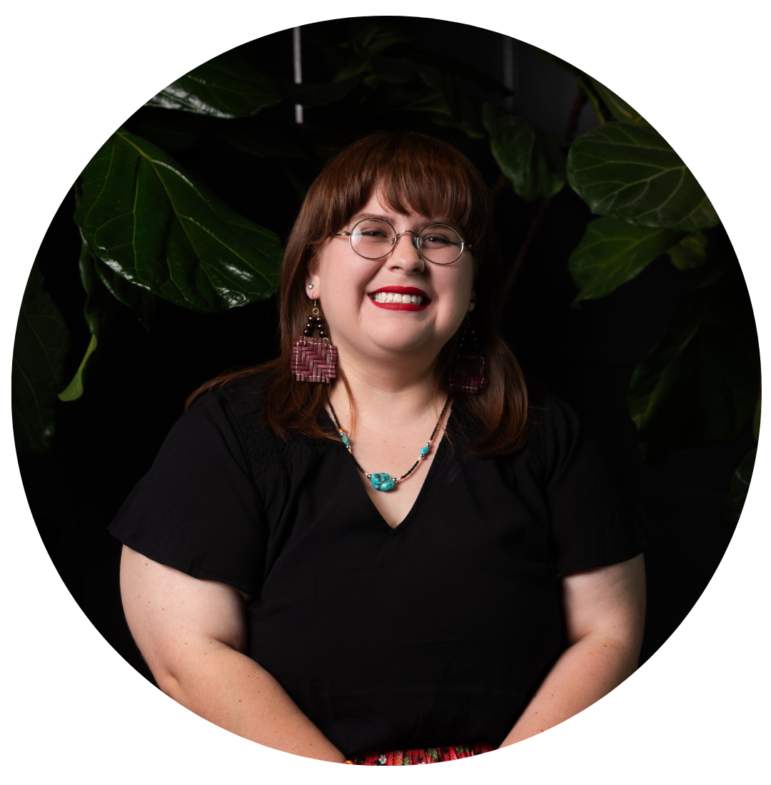
Mackenzie Roberts (Muscogee (Creek) Nation), 26, is a community leader and cultural advocate dedicated to preserving and revitalizing Mvskoke foodways. As Vice Chair of the Yardeka (Creek) Indian Community and an intake specialist, Mackenzie is deeply rooted in serving her community. She grew up hearing stories from her aunties about a time when possum grapes and wild onions were abundant—when families could gather food directly from the land to nourish themselves. Those memories continue to inspire her work to ensure that future generations of Mvskokvlke can remain connected to their traditional lifeways and food systems.

Today, many traditional Muscogee food practices are at risk of being lost. Once-abundant plants like wild onions and possum grapes have become scarce due to overforaging and environmental changes, while labor-intensive dishes such as vpvske, lye, and ghost bread are fading as fewer knowledge holders remain. Mackenzie’s Dreamstarter project, “Ekvn-Vfastvlke (‘Caretakers of the Land’),” addresses this critical moment by working to restore both the land and the cultural knowledge tied to it, ensuring that these traditions are not lost to future generations.

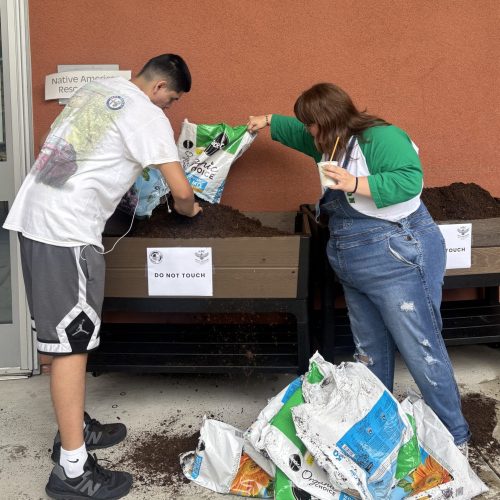
Through a year-long food sovereignty initiative with Burning Cedar Sovereign Wellness, Mackenzie will lead efforts in community gardening, traditional seed saving, wild onion restoration, herbalism and tea workshops, and traditional corn and bread classes. She will mentor a cohort of 15 apprentice knowledge holders, teaching sustainable foraging practices and traditional Muscogee foodways while collaboratively developing a Muscogee Cultural Curriculum. The foods grown and prepared through these workshops will be shared directly with the community, increasing access to culturally relevant, nutritious foods. Through this work, Mackenzie envisions long-term impacts including the restoration of native food sources, the preservation and transfer of traditional knowledge, and the growth of a new generation of Mvskoke caretakers committed to sustaining their culture and land.

“ Food sovereignty is important because as sovereign tribal nations, we should have full control over our food systems, and any system that affects us. As someone from a rural area and a tribal citizen, I see how food is connected to our health outcomes, our economic development, and our identity as indigenous people. When a system affects us on every front, Indigenous people must be involved and in control. To me, Food Sovereignty means Indigenous futurity.”   

IMG_1787
IMG_1584