“Feminine hygiene products continue to be difficult to access in rural parts of the country,” states Running Strong for American Indian Youth® executive director Sydney Mills Farhang.
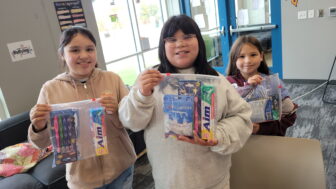
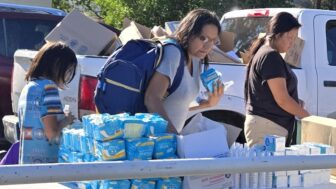
For 2026, Running Strong has the goal of raising $65,850 to distribute 3,000 feminine hygiene kits that include pads, tampons, wipes, hand sanitizer, and more.
Already this year, we have received applications from more than a dozen partners from throughout Indian Country in nine states, including California, Kansas, Maryland, Minnesota, Montana, Oklahoma, South Dakota, Utah, and Wisconsin, requesting the kits.
In Upper Lake, California, Danielle Cirelli, chairperson of the Habematolel Pomo of Upper Lake, is requesting 50 kits this year after previously receiving a shipment of feminine hygiene kits from Running Strong.
“These kits have been instrumental in bridging the gap and making ends meet with our tribal members, especially the feminine hygiene kits, because those items are often very expensive,” stated Danielle.
And in Valley Center, Lisa Starr, housing director of the San Pasqual Band of Mission Indians, which has also received kits from Running Strong in the past and is requesting 100 this year, told us, “The feminine kits were a huge hit for so many families that people were so impressed by the assistance that the tribe received.
“San Pasqual is a smaller tribe with many families at the poverty level. Any assistance that we get does go directly to our community members and their families.”
In Kansas, Paula Walker, CEO of the Iowa Tribe of KS & NE Boys & Girls Club in White Cloud, is requesting 100 feminine hygiene kits this year.
In explaining the need, she told us, “Living on our reservation and so far from a town makes it hard for our families. Any bit that we can do to help our families out helps tremendously.
“Life is hard these days, and raising kids is tough, and that’s where we like to come in.”
In Maryland, Jessica Swann, Piscataway Outreach Coordinator of the Piscataway Land Trust in La Plata, is requesting 200 feminine hygiene kits this year.
“Donations such as feminine hygiene kits are essential resources for members of the Piscataway Conoy Tribal community who are experiencing financial hardship and health insecurity.
“A number of tribal citizens live below the poverty line, and for many households, purchasing basic health and hygiene items can become difficult when income must first cover necessities such as housing, food, utilities, and transportation.
“Providing these kits helps ensure that community members have access to critical items that support daily health, dignity, and overall well-being.
“Feminine hygiene kits are necessary to ensure that women and girls have access to basic menstrual health products.
“Without these items, individuals may be forced to use unsafe or unreliable alternatives, which can lead to health complications and unnecessary stress.
“Providing these kits helps promote personal health, dignity, and consistent participation in school, work, and community life.
“Overall, these in-kind donations help address immediate health and hygiene needs while supporting the dignity, well-being, and resilience of Piscataway Conoy Tribal citizens.
“By providing essential items to those most in need, the community can better support its most vulnerable members and strengthen the collective health of the tribe.”
In Minnesota, Julian Greer, emergency services manager of Interfaith Action (Department of Indian Work), in Little Canada, is requesting 50 feminine hygiene kits this year.
“Feminine hygiene kits are needed because many individuals and families experiencing financial hardship cannot afford basic personal care items.
“While food and housing often come first, essential hygiene and health products are frequently sacrificed.”
In Montana, JoRee LaFrance, a former Running Strong Dreamstarter and executive director of Apsaalooke Immiio in Hardin, is requesting 200 feminine hygiene kits this year.
JoRee told us that they have distributed dental kits from Running Strong in previous years and is grateful that Running Strong is also making the feminine hygiene kits available as well.
“We have actually had people reach out to us regarding feminine hygiene kits before, so it makes me happy that this is now an option.”
And in Garryowen, Ember Singer, executive director of Biiluuke Strong, is requesting 200 feminine hygiene kits this year.
“Feminine hygiene kits are a much-needed resource for children in our communities,” Ember told us. “Jobs are scarce, and upstream interventions are needed to mitigate the severe health problems on the Crow Reservation.
“Receiving supplies would mean the world to those that receive them, and to the parent struggling to find ways to keep their children in good health due to the poverty and lack of resources on the reservation.”
In Oklahoma, Tashaa Harris, chairman of the Muldrow Cherokee Community Organization (MCCO) in Muldrow, is requesting 200 feminine hygiene kits this year.
In explaining the need, she told us, “feminine hygiene kits are essential because many individuals and families in our community struggle to afford basic personal care items.
“When resources are limited, items like feminine hygiene products are often the first things people go without, even though they are critical to health, dignity, and overall well-being.
“Providing these kits helps ensure that women have access to essential hygiene and care products that many of us take for granted.
“By distributing these kits, MCCO is helping promote health, restore dignity, and show compassion to members of our community who need it most.”
And in Sallisaw, Gary Bolin, chairman of the Brushy Cherokee Action Association, is requesting 200 feminine hygiene kits this year.
“These items are needed because a large majority of the people in the Brushy area and surrounding communities live in poverty.”
In South Dakota, Laura Rose, director of The Bebela Project in Eagle Butte, is requesting 200 feminine hygiene kits this year.
“We live in a very high poverty area on the Cheyenne River Sioux Tribe,” she explained. “We have a lot of women that ask for feminine hygiene products very often.”
And in Keystone, Yvette Running Horse Collin, executive director of the Sacred Healing Circle, is requesting 100 feminine hygiene kits this year.
In explaining the need, Yvette told us, “Overall, household budgets on the Pine Ridge Indian Reservation and for Lakota families in surrounding areas are often very tight.
“This means that purchasing basic supplies are overlooked in favor of directing available resources toward purchasing food for each of the people within the household (including extended family members).”
In Utah, Eileen Quintana, manager of the Nebo Title VI Indian Education program in Spanish Fork, is requesting 150 feminine hygiene kits this year.
In explaining the need for feminine hygiene kits, Eileen said, “We serve Native American families within Nebo School District. Almost 40 percent of our families fall in the reduced and free lunch category.
“They struggle to keep their families housed, fed, and cared for.”
And in Wisconsin, Tina Waupoose, food service director of the Menominee Indian School District in Keshena, is requesting 200 feminine hygiene kits this year.
“Our school is in the boundaries of the Menominee Reservation with a lot of students in need of personal hygiene products,” she told us. “Our school has a very high poverty rate.”