November is Native American Heritage Month, formally established as a month of recognition in 1990 when President George H.W. Bush approved the first national proclamation to recognize the histories, cultures, and continuing contributions of Native peoples, notes the San Diego State University (SDSU) Native Resource Center (NRC).
“For generations, Native Nations have lived in relationship with this land, sustaining vibrant communities grounded in respect, reciprocity and care,” states the SDSU NRC.
“Today, more than 575 federally recognized Tribal Nations continue to uphold their sovereignty and traditions while investing in the promise of the next generation who carry forward the teachings of their ancestors.”
During the past five years, the themes for Native American Heritage Month have included “Weaving together our past, present and future,” “Celebrating Tribal Sovereignty and Identity,” “Revitalizing Indigenous Connections,” and “Resilient and Enduring: We Are Native People.”
This year’s theme, “Honoring Our Roots, Renewing Our Future,” recognizes the strength of our ancestors, the resilience of our communities, and the responsibility we share in supporting future generations,” states the SDSU NRC.
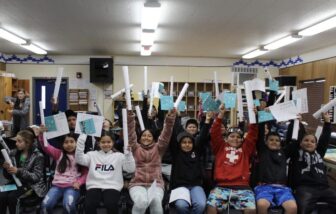
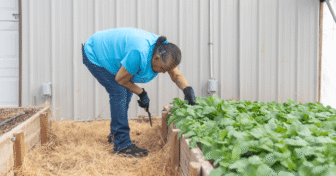
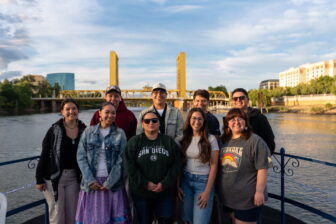
At Running Strong for American Indian Youth®, supporting future generations has been central to our mission for 40 years. Through our Dreamstarter programs, we help young Native Americans pursue their dreams and make a difference in their communities, following the example of Running Strong co-founder and Olympic gold medalist Billy Mills, who overcame seemingly insurmountable odds to win gold at the 1964 Tokyo Olympics.
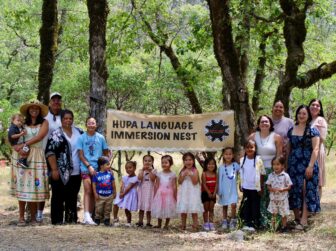
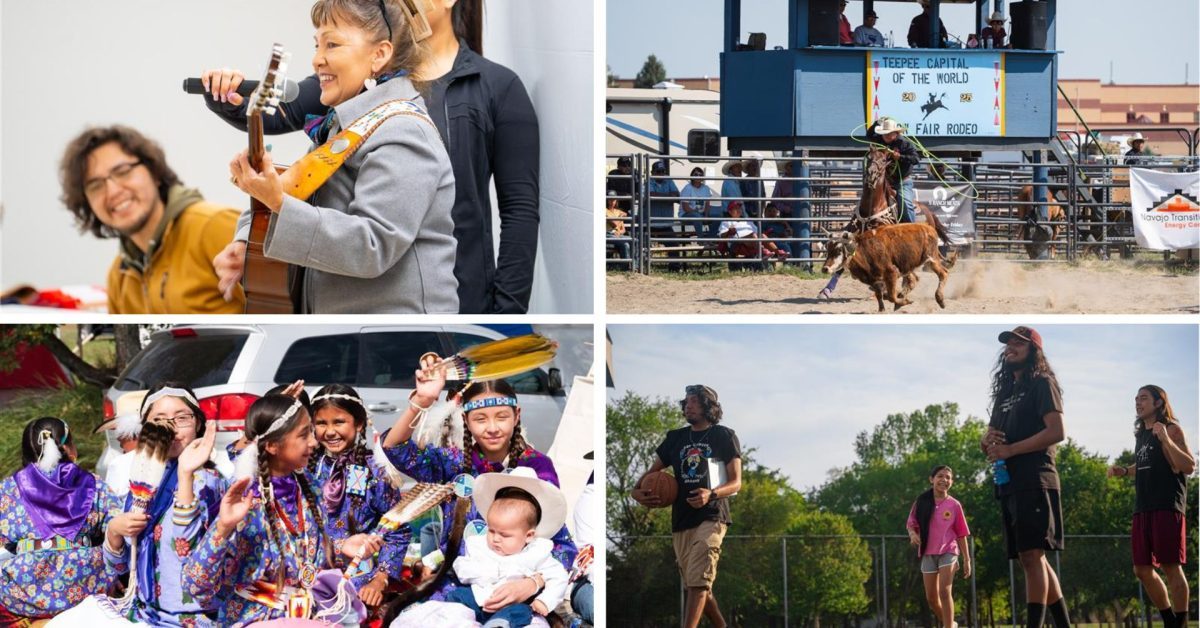
Our work also includes supporting Native communities in their efforts to preserve and strengthen the languages, cultures, and traditions that connect generations. From Native language revitalization initiatives to Dreamstarter projects rooted in cultural heritage, we work alongside Native communities to help young people learn from their elders, celebrate their cultural identities and carry these traditions forward.
Celebrating Native Heritage Across the Country
This month, celebrations across the U.S. will focus on tribal sovereignty, arts, history, and community contributions, with institutional programming from organizations such as the Smithsonian Institution, which will be celebrating Native American Heritage Month with events, resources, exhibitions, and podcast episodes.
For example, the Smithsonian’s National Museum of the American Indian (NMAI) in Washington, DC, will host events such as the (In)Visible Women Wikidata Edit-a-Thon on Nov. 6, which explores Indigenous lives across the Western Hemisphere and across time.
On Nov. 7, the NMAI will host a free event honoring the enduring and distinguished service of Native Americans in every branch of the U.S. military. Visitors can learn more about Native military service and honor veterans through presentations, activities, and more.
Additionally, the Library of Congress, National Archives and Records Administration, National Endowment for the Humanities, National Gallery of Art, National Park Service, and United States Holocaust Memorial Museum join in paying tribute to the rich ancestry and traditions of Native Americans.
For example, at the Library of Congress, the Indigenous American Artists: Collection Connections guide highlights the work of Native American and other Indigenous printmakers and photographers from the United States, Canada, and Latin America in the Prints & Photographs Division.
This month also includes awareness days, including Rock Your Mocs Day on Sunday, Nov. 15, and Red Shawl Day for MMIP (Missing and Murdered Indigenous Peoples) awareness on Thursday, Nov. 19.
Billy Mills: Carrying Forward the Values of His Ancestors
In November 2004, Billy spoke at the Library of Congress and told of his life from a 12-year-old orphan on South Dakota’s Pine Ridge Reservation to a 1964 Olympic gold medalist. As a member of the Oglala Lakota tribe, he described how being American Indian has shaped his life in the keynote speech launching that year’s National American Indian Heritage Month, UPI reported at the time.
Billy, then 66, spoke about his Olympic victory, his battles with anti-Indian discrimination and the values by which he lives.
In the article, Billy acknowledged that while winning was a magical experience, “That’s not what I took from the games.”
It was more of a chance to live the values he’d learned from his father than anything else, he said, especially the four most important virtues for a warrior: bravery, fortitude, generosity and wisdom.
Those values continue to guide Running Strong’s work today.
And adds the SDSU NRC, on this year’s Native American Heritage Month:
“For Indigenous communities, honoring our roots means recognizing the original peoples of this land, respecting Tribal sovereignty, and acknowledging the histories, traditions, languages, and knowledge systems that continue to shape our communities today.”
“It also means recognizing the ongoing impacts of colonization while celebrating the strength, leadership, and cultural revitalization of Indigenous peoples.”
At Running Strong, we believe Native American Heritage Month is both a time to celebrate the cultures and contributions of Native peoples and to recognize the work Native communities are doing every day to carry their languages, traditions, and cultural knowledge forward for future generations.