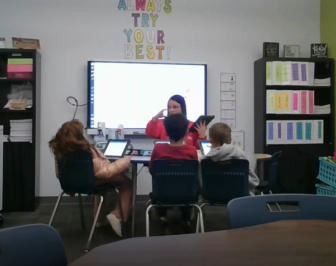
2026-2027 Running Strong for American Indian Youth® Dreamstarter Teacher Ronald Brillantes is a STEM (Science, Technology, Engineering, and Mathematics) teacher at the Pahin Sinte Owayawa/Porcupine School in Porcupine, South Dakota, working with students in the K-8 school community on the Pine Ridge Indian Reservation.
His project, “After-School STEM Program-Porcupine School STEM & Innovation Program,” will provide elementary and middle school students with engaging, hands-on learning experiences in science, technology, engineering, mathematics, robotics, coding, cybersecurity, artificial intelligence awareness, and science fair research projects.
“The program will integrate Lakota values, culture, and community connections while helping students build problem-solving, teamwork, creativity, research, and digital literacy skills,” he told us in his grant application.
The program will serve approximately 30–40 students during the school year through weekly after-school sessions, STEM challenges, robotics activities, engineering projects, science investigations, and participation in local and regional science and engineering fairs.
“My role focuses on helping students build skills in science, technology, engineering, and mathematics through hands-on, project-based learning such as robotics, coding, and science investigations,” he explained.
“The students I work with are primarily Lakota youth who bring strong cultural identity, creativity, and resilience into the classroom.
“Many of them thrive when learning is interactive, collaborative, and connected to real-life problem-solving.
“I aim to create learning experiences that build confidence, encourage curiosity, and support both academic growth and cultural pride while preparing them for future success in STEM fields and beyond.”
Specifically, Ronald will be using his $10,000 grant to establish and sustain an after-school STEM enrichment program at Porcupine School titled “Wóuŋspe kiŋ STEM: Inspiring Future Lakota Innovators.”
The funding is directly supporting hands-on learning experiences in robotics, engineering, coding, science investigations, cybersecurity awareness, and science and engineering fair participation for students in grades 3–8.
Grant funds will be used to purchase robotics kits, STEM lab materials, science fair supplies, technology resources, student incentives, transportation support for STEM events, and materials needed for a community STEM showcase night.
“These resources will ensure that students in a rural community have equitable access to high-quality STEM learning opportunities that are often unavailable outside of larger districts,” says Ronald.
The mission of this project is to empower Lakota students through culturally grounded STEM education that builds confidence, curiosity, and skills in science, technology, engineering, and mathematics while strengthening identity, community connection, and expanding future career pathways.
“The program is rooted in Lakota values such as respect, responsibility, perseverance, and community care, ensuring that students see STEM learning as both personally meaningful and culturally relevant,” he commented.
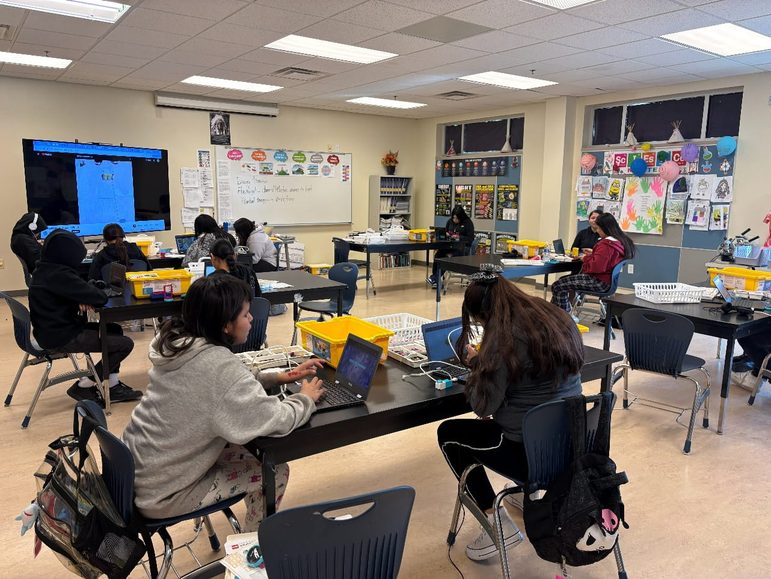
The program objectives will be achieved in a variety of ways, including robotics and coding activities and engineering design challenges. Students will engage in hands-on building projects such as bridges and towers, as well as renewable energy models, using the engineering design process.
Students will also participate in science fair project development, cybersecurity and digital citizenship lessons, in which they will learn online safety, responsible technology use and introductory concepts in artificial intelligence.
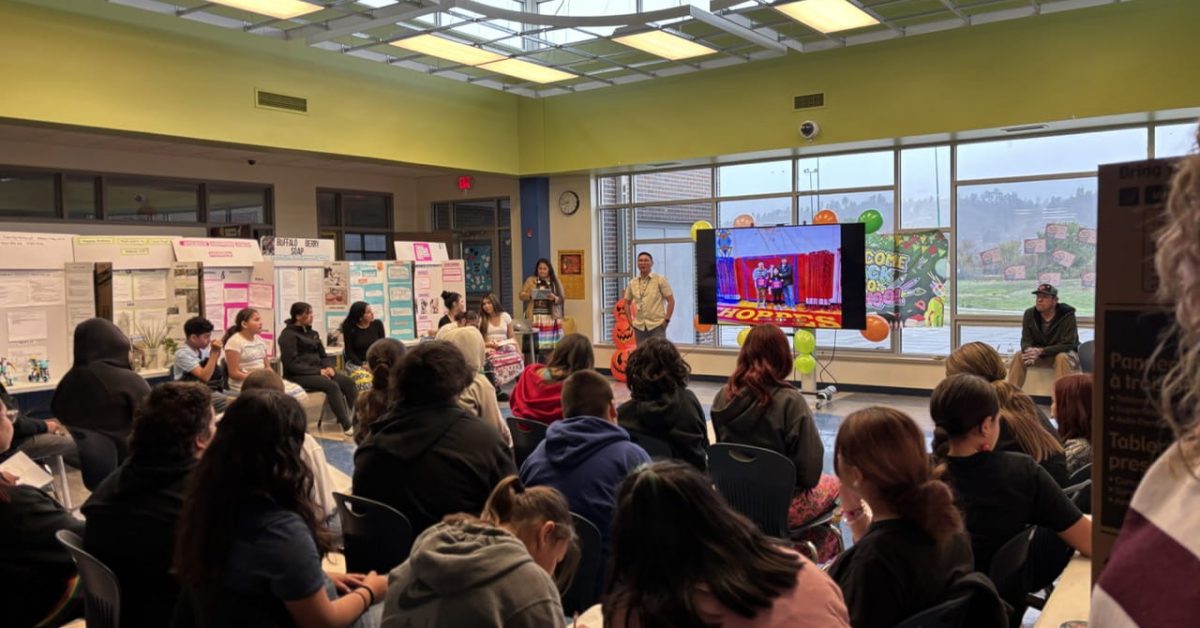
Additionally, he plans to host a Family STEM Night where students will showcase their projects and learning outcomes to families and community members.
“All instruction will be culturally responsive and will incorporate Lakota values and community knowledge throughout STEM learning experiences,” he noted.
Ronald explained that the project is needed because students have limited access to consistent, hands-on STEM learning opportunities outside of the regular school day.
“In a rural setting, students often face barriers such as lack of equipment, limited exposure to advanced technology, and fewer enrichment programs that connect them to careers in science, technology, engineering, and mathematics.
“As a result, many students do not get the early experiences needed to build confidence and interest in STEM pathways.
“Overall, this project is needed to close opportunity gaps, increase academic engagement, strengthen STEM readiness, and provide culturally relevant learning experiences that empower students to see themselves as capable scientists, engineers, and problem-solvers.”
Ronald became an educator because he believes students learn best when they are actively engaged in meaningful, real-world experiences.
“I am especially motivated by the opportunity to open pathways in STEM for students who may not always have equal access to advanced technology or engineering programs.
“Education, for me, is about helping students see their own potential and preparing them with skills that can lead to future careers and opportunities.”