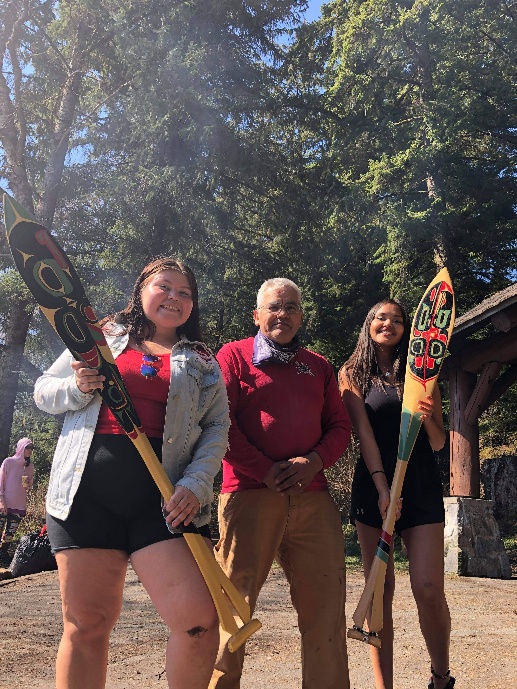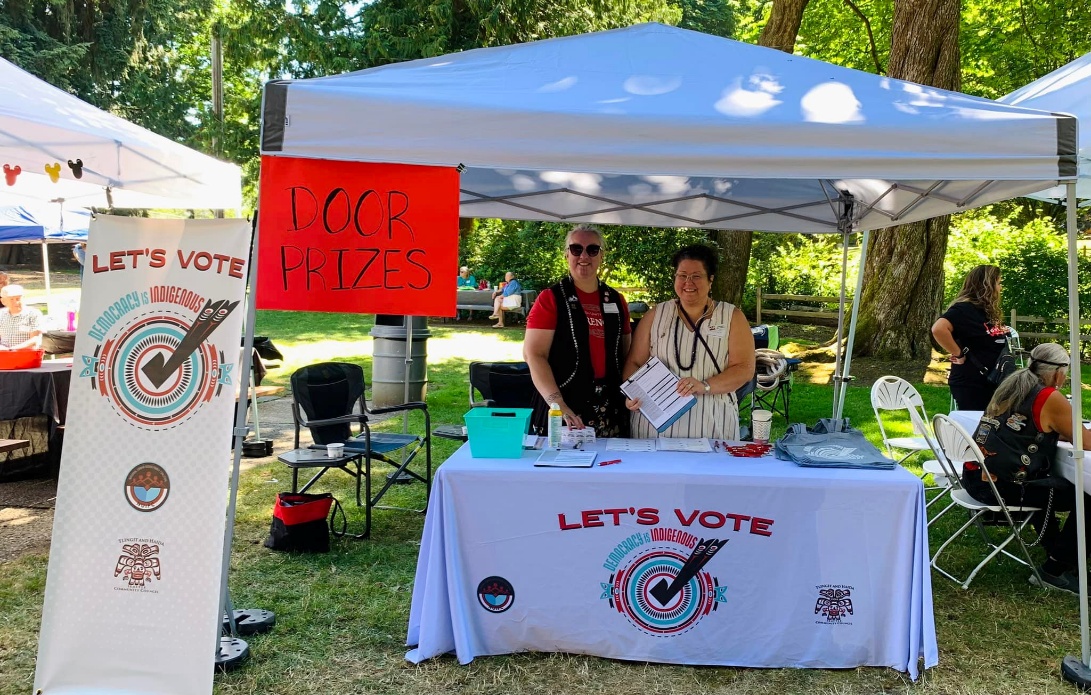
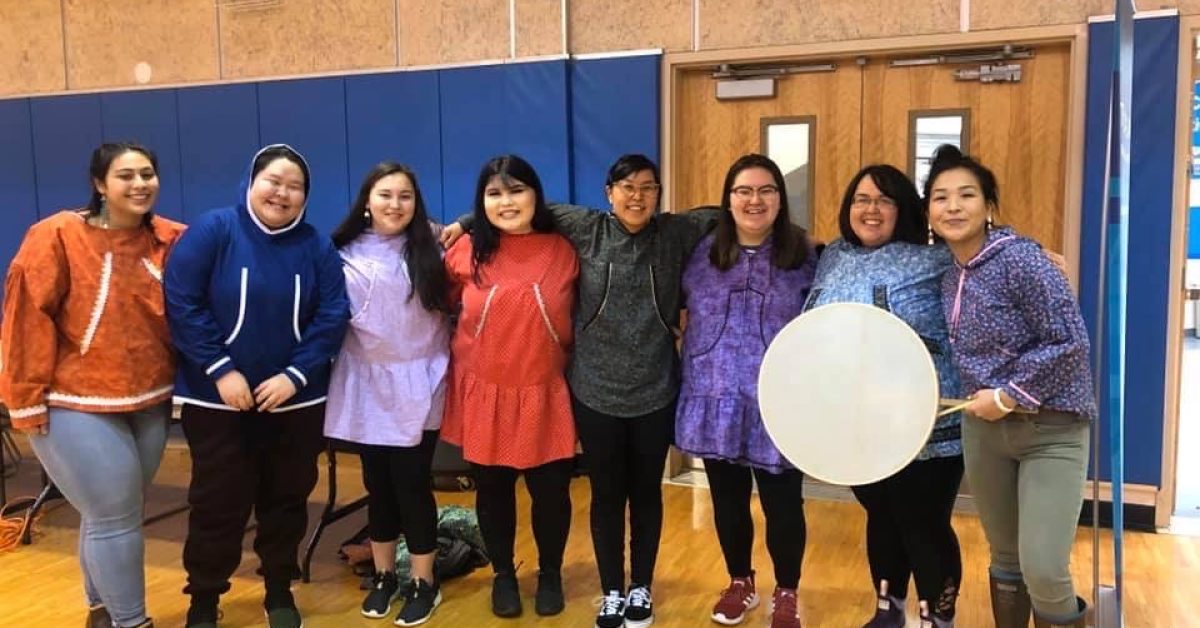
From time immemorial to the early 1930’s the Tlingit & Haida people lived as separate and distinct nations with their own languages, cultures and traditions. In the early 20th century, they banded together to work to correct the injustices experienced by Alaska Natives throughout the territory of Alaska, and were eventually recognized by the federal government as a single tribe.
By the 1950’s many families had migrated to the Seattle area.
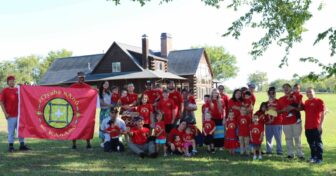
Today, Alaska Natives are the second largest tribal group in Washington state other than Washington tribes, notes 2025 Running Strong for American Indian Youth Dreamstarter Elizah Dominy, 25, of Kent, Washington, an enrolled of the Tlingit & Haida Tribal Nation.
“Our Tlingit and Haida tribe has over 9,000 citizens who reside in Washington state and our community has the largest number of registered Tlingit and Haida citizens outside of Alaska,” she stated in her Dreamstarter application. Despite this large concentration, tribal citizens living in Seattle are ineligible for most services and programs that tribal citizens living in Alaska have access to.
“One of the biggest challenges our community faces is being displaced from our ancestral homelands and disconnected from our traditional ways of life and our languages.”
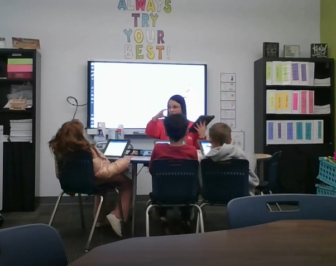
To help foster connection to culture and language, Elizah used a portion of her $10,000 Dreamstarter grant to provide Lingit language revitalization workshops “that would allow the community to access language learning resources they do not usually have access to.”
Her overarching goals “are to expand community knowledge of our ancestral Lingit language and cultural traditions and to strengthen community bonds by giving back to our youth and families in need.
“Through this process, we hope to empower both our older and younger generations to develop a basic understanding of the Lingit language.”
According to U.S. census data in 2010, the median age of Alaskan Natives living in Washinton State was just 29 years old. This data highlights the importance of investing in Alaskan Native youth, and how this will shape generations to come.
Elizah explained that many youth might never get the opportunity to engage in Haa Kusteeyi (our way of life), saying “many of us grow up and it is not until we reach adulthood that we begin to search for any form of cultural connection we can.”
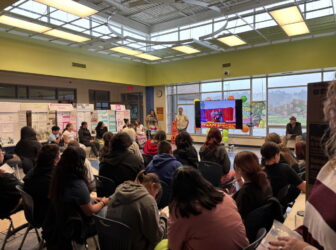
Last November, Elizah reported that through her Dreamstarter project, “Haa léelk’w hás jooníx̱ haa sitee” (“We are our ancestor’s dreams”) 211 youth and young adults ages 12-24 were served, including several who participated in a two-day immersive Haida Language Revitalization Workshop which was the first of its kind in Washington state.
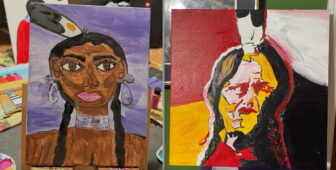
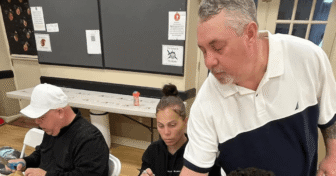
In addition to the language training, she held a cedar headband making workshop and other cultural activities. Through these workshops Elizah was able to reach 576 Alaskan Native youth, and help them connect to their heritage.
“By serving our youth in this way, we hope to plant seeds within our youth that will allow them the access and tools needed to grow up within our culture and give them a chance to get to know who they are and where they come from.
“We believe that giving them this opportunity to learn their ancestral language, can begin the foundation of knowledge they have yet to accumulate in their lifetimes.
“After this project concludes, we hope to have planted the seeds of Lingit language and culture in the next generation of our people, to ensure that our traditions live on.
“Without such experience, we risk losing even more of our culture and our language by not being able to pass it down to tribal citizens in Washington.”