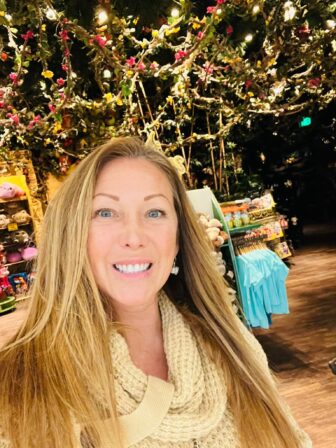
2026-2027 Running Strong for American Indian Youth® Dreamstarter Teacher Amanda Derby is a teaching principal at the Yolla Bolly Continuation High School in Covelo, California.
Her project “Rooted in Culture: Native Art, Mindfulness, and Ecology in Alternative Education,” is a yearlong initiative designed specifically for alternative education students.
“By merging traditional Native American art forms, mindfulness practices, environmental science, and literature, this project offers an engaging, hands-on, and culturally relevant curriculum,” Amanda explained in her grant application.
“Through this funding, students will explore foundational art standards by creating traditional beadwork, learning the art of basketry, and exploring other Indigenous crafts,” says Amanda.
Parallel to this hands-on artistic expression, students will participate in a yearlong book study of Braiding Sweetgrass for Young Adults by Robin Wall Kimmerer.
This literary anchor will inspire a living campus project: the creation of an Indigenous garden.
“Here, students will propagate, cultivate, and harvest native willow and grasses, quite literally growing the materials for their own artistic creations from the ground up,” she told us.
The Yolla Bolly Continuation High School is an alternative educational program for grades 10-12 in Round Valley Unified School District, and the Round Valley Indian Reservation is located within the district’s boundaries.
The school provides services for students ages 16 and older who desire an alternative education program that provides opportunities for students to accelerate their learning and assist with recovery of academic credits for students who were unsuccessful at the main Round Valley High School.
Students who attend Yolla Bolly have the opportunity to complete vocational education, physical education and directed studies classes after the conclusion of their morning academic program; however, in the past Yolla Bolly Continuation was a 100 percent online learning program.
Yolla Bolly is a Title I school, with 86 percent of its students identifying as Native American and more than 95 percent eligible for free/reduced lunch. The school serves students from the Yuki, Wailaki, Concow, Little Lake and other Pomo, Nomlaki, Cahto, and Pit River tribal nations.
Amanda has been with the Round Valley district for 17 years, serving as a teacher throughout that time and as a principal for the past three years.
She told us that she had wanted to be a science teacher since the fifth grade, and during her senior year she completed a project entitled “The Impact of a Teacher in a Small Community.”
“This project helped me realize that I wanted to come back to my community and teach at my high school. I want to have a positive impact on our students like many of my teachers had on me during my high school years.”
She began teaching full-time at Round Valley High School in 2006 as a science and art teacher, while also teaching Independent Study and working at Yolla Bolly Continuation.
“During my time at RVHS in recent years, especially as an administrator, I have come to realize that our alternative education students are largely underserved,” said Amanda.
This spring, with the retirement of the long time Yolla Bolly Continuation teacher, she requested a transfer to the school “with the goal in mind to restructure our program and work on accreditation for our alternative education program.”
She told us that for the last decade their students had been earning credits 100 percent online “and missing out on valuable education and many learning experiences and rites of passage that should be experienced during high school.”
The mission of her Rooted in Culture project is to re-engage alternative education students through the healing integration of Native arts, mindfulness, and Indigenous ecology.
“By blending hands-on cultural traditions with the cultivation of a living campus garden, we empower students to develop academic skills, emotional resilience, and a deep sense of environmental stewardship and personal identity,” says Amanda.
The objectives of her Dreamstarter Teacher project include:
Culturally Relevant Art & Mindfulness: Alternative education students thrive when learning is tactile and meaningful. This project utilizes traditional Native arts to teach core art standards (such as form, texture, balance, and pattern) while embedding organic mindfulness practices.
A Yearlong Book Study of Braiding Sweetgrass for Young Adults: Indigenous Wisdom, Scientific Knowledge, and the Teachings of Plants: Robin Wall Kimmerer’s text will serve as the philosophical and scientific guide for the year.
The Living Classroom – Indigenous Botanical Garden: To truly understand the art of basketry, students must understand the land.
She is using her $10,000 Dreamstarter Teacher grant to purchase items for the Indigenous botanical garden including native plant stock (locally sourced native willow cuttings, basketry grass plugs such as Deergrass of Sedge), organic compost, mulch and fertilizer, ergonomic gardening hand tools including pruners, trowels, soil weeding knives and heavy-duty gardening gloves.
Native art and mindfulness supplies she is purchasing include beading starter kits, wooden beading looms and starter basketry materials.
Funds will also be used to purchase copies of Braiding Sweetgrass for the students, take them on cultural field trips for hands-on, land-based learning experiences, and provide honorariums for guest artists and elders to bring master weavers and cultural knowledge bearers into the classroom and out on the field trips to guide students in traditional protocols, sustainable harvesting techniques and storytelling.
Amanda said the program is needed at Yolla Bolly because “alternative education students frequently carry heavy trauma and school disconnection.
“By stepping away from traditional worksheets and stepping into a space of creation, soil, literature, and cultural heritage, this project fosters healing, belonging, and purpose.
“Yolla Bolly Continuation High School serves a student population that is deeply rooted in local tribal culture but heavily impacted by rural isolation, historical trauma, and academic disconnection.
“This project is critically needed to replace passive credit recovery with an active, hands-on, culturally responsive curriculum.
“By cultivating an on-campus Indigenous garden and practicing traditional Native arts, our students will find a therapeutic outlet for emotional regulation, reconnect with their community’s heritage, and gain a profound sense of ownership and pride in their education.
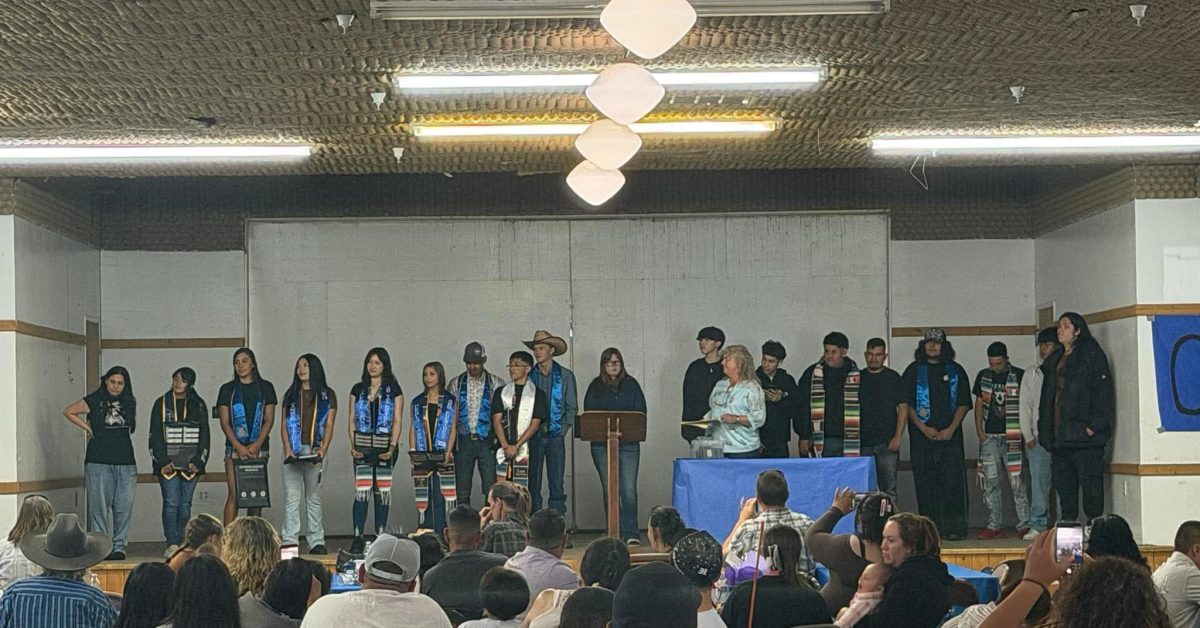
“We want to include Yolla Bolly Continuation students in events like this where they can showcase what they have learned and created in class.”