
National Native American Heritage Month is a time to recognize the cultures, histories, and contributions of Native communities across the United States. It offers an opportunity to learn, reflect, and support Native youth as they carry traditions forward and shape the future of their communities.
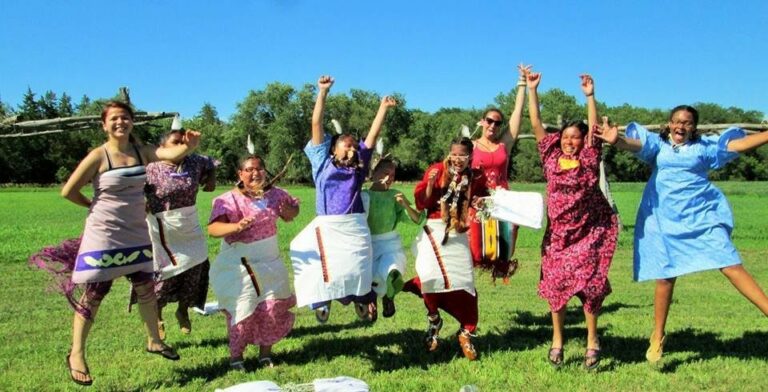
National Native American Heritage Month is observed each November and honors the rich histories, diverse cultures, and contributions of more than 574 federally recognized tribes in the United States. For those asking when National Native American Heritage Month is, it takes place throughout November, with the Friday following Thanksgiving designated as Native American Heritage Day.
This observance is not only about recognizing the past. It celebrates a living and evolving cultural landscape, often described as a “beautiful mosaic” of traditions, languages, and identities that remain deeply connected to the land. It is also a time to look toward the future, supporting Native youth, uplifting tribal communities, and encouraging meaningful allyship rooted in respect, cultural preservation, and the protection of Native lands and lifeways.
Understanding the National Native American Heritage Month history helps show how this observance came to be and why it continues to hold meaning today. The recognition of Native cultures and contributions did not happen overnight. It was the result of decades of advocacy led by Native leaders and allies who pushed for national acknowledgment.
The movement began in the early 20th century with individuals committed to raising awareness and recognition.
Over time, these early efforts led to national recognition through federal action.
November was chosen in part because it aligns with the conclusion of the harvest season, a time that has long held cultural importance for many Native communities. Traditionally, this period is associated with gathering, sharing food, giving thanks, and strengthening community bonds.
This seasonal connection reinforces that National Native American Heritage Month is not only about recognition, but also about honoring traditions that continue to shape Native life today.
National Native American Heritage Month is more than a recognition of history. It’s a time to reflect on the present, uplift Native voices, and support the future of Native communities. The observance creates space for both education and action, connecting cultural understanding with real-world impact.
For many Native communities, National Native American Heritage Month serves as a meaningful opportunity to reclaim narratives that have long been overlooked or misrepresented. It creates space to center Native voices, honor lived experiences, and share stories that reflect both history and present-day realities.
This includes raising awareness around ongoing challenges such as poverty, land rights, and Missing and Murdered Indigenous People (MMIP). These issues are not separate from cultural identity; they are deeply connected to the well-being of communities and the protection of Native life.
As Faith Spotted Eagle has shared, this work is about “bringing back our people from emotional death.” Cultural preservation, language revitalization, and community-led initiatives are not simply traditions to maintain. They are part of a broader process of healing, resilience, and restoration.
For the broader public, National Native American Heritage Month is an opportunity to deepen understanding and move beyond simplified or outdated views of Native communities. It encourages learning about Tribal Sovereignty, the inherent right of Native nations to govern themselves, make decisions for their people, and maintain their cultural and political systems.
It is also a time to recognize that Native communities are not a single, uniform group. Each nation has its own history, language, and identity. Moving beyond homogeneous stereotypes allows for a more accurate and respectful understanding of Native life today.
By engaging with this month thoughtfully, individuals can become better allies, supporting Native communities through awareness, respect, and informed action.
While both observances center around Native communities, they serve different purposes and take place at different times of the year.
Together, these observances provide meaningful opportunities to learn, reflect, and better understand Native communities today.
When people search for National Native American Heritage Month activities, it’s important to understand that these are not simply events or performances. They are part of a living system of knowledge, passed from elders to youth through generations. Native American heritage is preserved through oral tradition, where teachings are shared carefully, respectfully, and in context.
As shared by Loretta Afraid of Bear Cook, these traditions are not separate from daily life. They are how identity, responsibility, and community values are carried forward. This is what makes Native heritage a “living library,” one that continues to grow through each new generation.
Within Lakota communities, the Seven Sacred Ceremonies form a foundation of spiritual life and community resilience. While not all ceremonies are widely shared outside the community out of respect for their sacred nature, some teachings are publicly known and help illustrate their role in guiding individuals through life.
These ceremonies are not isolated traditions. They are part of a broader system of teachings that reinforce balance, responsibility, and connection to both community and the natural world.
One example of how cultural practices build future leaders is Tapa Wakal Eyayapi, often referred to as “Toss the Ball”.
Through ceremonies like this, National Native American Heritage Month activities become opportunities to understand how culture is actively taught, not just remembered.
In many Native traditions, materials from the land are not just resources. They are part of identity, knowledge, and responsibility.
Together, these elements show that Native American heritage is not separate from the land. It is shaped by it, sustained by it, and carried forward through each generation.
National Native American Heritage Month offers meaningful ways to learn, reflect, and take action. Whether through education, community participation, or everyday choices, there are many ways to engage respectfully and support Native communities.
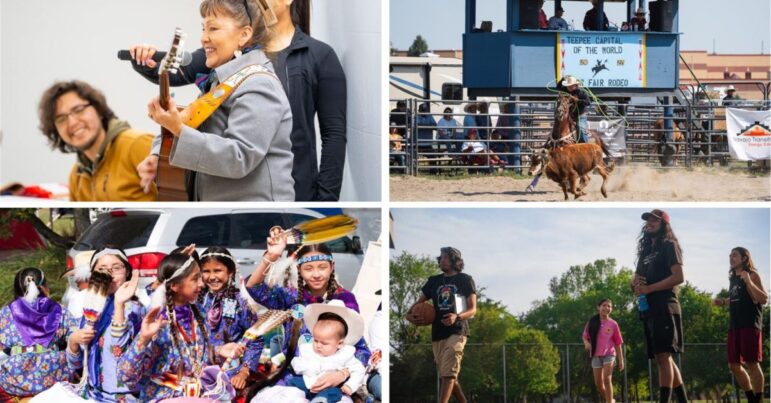
Being a thoughtful ally during National Native American Heritage Month starts with listening, learning, and approaching Native cultures with respect. This means seeking out Native voices, being mindful of cultural significance, and supporting efforts that are led by Native communities themselves.
Running Strong for American Indian Youth® was founded by Olympic gold medalist Billy Mills, a member of the Oglala Lakota Nation born on the Pine Ridge Reservation. We work alongside Pine Ridge and other Native communities through programs in clean water, food sovereignty, youth development, and cultural revitalization.
Learn more about Red Shawl Day: Red Shawl Day
Food plays a central role in many Native cultures, connecting people to land, history, and community. During National Native American Heritage Month activities, many communities highlight food sovereignty, the ability to grow, share, and sustain traditional foods.
A well-known example is the “Three Sisters” (corn, beans, and squash), which are grown together and represent balance, cooperation, and sustainability.
To explore ways to engage with these traditions, visit Native American Heritage Recipes and learn how food continues to connect generations.
Supporting Native artists and entrepreneurs is another meaningful way to participate. Programs like Intertribal Creatives help artists build sustainable businesses while preserving cultural expression.
By choosing to support Native creatives, you are helping sustain traditions, protect cultural knowledge, and invest in communities where art and identity are deeply connected.
For more ways to engage and learn, explore our resource on Native American culture and traditions.
National Native American Heritage Month is not only about honoring the past. It is also about supporting the future of Native communities. Across Indian Country, Native youth are leading efforts to carry forward language, culture, and tradition in ways that reflect both heritage and innovation.
At Running Strong for American Indian Youth®, we play a vital role in this work by partnering with Native communities to invest in long-term, community-driven solutions. Grounded in the Lakota principle of giving back, a legacy of co-founder Billy Mills, we focus on creating opportunities for Native youth to lead, build, and sustain change within their own communities.
Through programs centered on culture, language, food systems, and community development, we help ensure that Native American heritage is not only preserved, but actively lived and strengthened by the next generation.
Language is a cornerstone of identity, and many Native communities are leading efforts to restore and sustain their languages. Running Strong supports initiatives such as the Hupa Language Immersion Nest in California and the Yuchi Language Project in Oklahoma.
These are not simply educational programs. They are community-driven efforts focused on rebuilding intergenerational fluency, ensuring that languages are passed from elders to youth in meaningful, everyday contexts.
Native youth are also finding innovative ways to bring language and culture into new spaces:
To learn more about these efforts, explore our Culture & Language Program.
Food sovereignty is another key area where cultural knowledge continues to thrive. Through the Medicine Root Garden Program, we support the development of household and community gardens.
These efforts reconnect families with traditional food systems and reinforce knowledge that has been passed down for generations. Practices such as growing the “Three Sisters” reflect a continued relationship with the land and a shared understanding of sustainability and balance.
Cultural expression through art and community spaces plays an essential role in preserving Native identity. For example, the Oyate Ta Kola Ku Community Center serves as a hub where traditional arts such as beading, regalia making, and storytelling are shared and practiced.
Supporting Native artists is also an important part of sustaining culture. Programs like Intertribal Creatives provide resources and platforms for Native entrepreneurs, helping artists maintain their work as both cultural expression and livelihood.
During National Native American Heritage Month, we’re reminded that preserving culture is an ongoing, community-led effort. By choosing to support Running Strong, you’re helping invest in Native youth, strengthen cultural continuity, and contribute to sustainable, generational change. Learn more about how you can support this work and be part of protecting Native American heritage for the future.