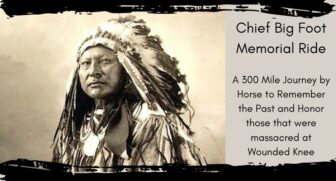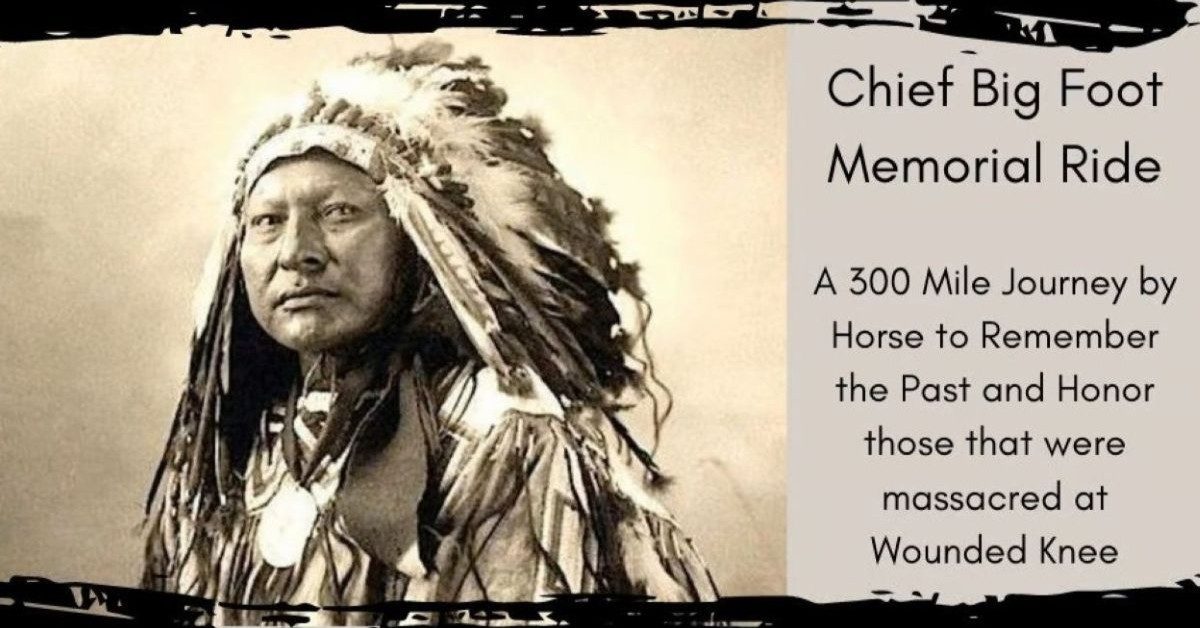
Once again this year, the Oyate Ta Kola Ku Community Center on the Pine Ridge Indian Reservation on the Great Plains of South Dakota will be hosting several hundred Lakota and other Native American allies who will be making a stop there on a pilgrimage known as the Chief Big Foot Memorial Ride.
Every December, participants on horseback retrace the historic 300-mile journey made in 1890 by the Lakota chief and 350 of his followers, mostly women and children, that culminated in the massacre at Wounded Knee on Dec. 29, which left hundreds of Lakota men, women, and children dead.
Since the opening of our community center two years ago, it has become a stop in the riders’ trek starting in Bridger, South Dakota, where they are provided with hot meals and hay and feed for their horses.
In 1986, two Lakota elders established the Sitanka Wokiksuye, which the Smithsonian’s National Museum of the American Indian (NMAI) describes as “the beginning of a long-awaited healing process.”
“During the two-week, 300-mile journey, riders experience some of the hardships their ancestors endured, as a physical, spiritual, and intellectual remembrance.”
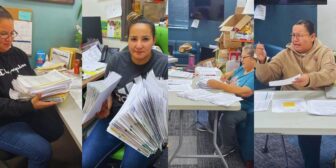
Oyate Ta Kola Ku Director Rose Fraser reported that she and staff and volunteers have previously provided meals for as many as 150 riders and are preparing for even more this year.
“It’s a really important part of our culture,” says Rose. “It’s important for us continue supporting the youth in their spiritual journey, even if it is by providing a meal and hot shower. We are very honored to support all the riders because they do not stop, postpone, or cancel because of the weather. They push through just like our ancestors did. It is very emotional when they arrive at Wounded Knee. The blessing, prayers, songs, war hooping and sense of completion is a very powerful spiritual moment.”
“I am very proud of each and every one of the riders who make that 300-mile journey,” says Rose.
Following last year’s ride, Rose thanked the supporters of Running Strong for American Indian Youth® for their generosity in helping to feed the riders—and their horses—along with the volunteers who helped set up a corral, set up the water troughs, and provide feed and hay. It was such a beautiful sight to see the horses being taken care of with water and food.
“Altogether there was about 100 horses being housed in three different corrals, two at the center and one in town. It was an honor to feed about 160 participants a Christmas meal.”